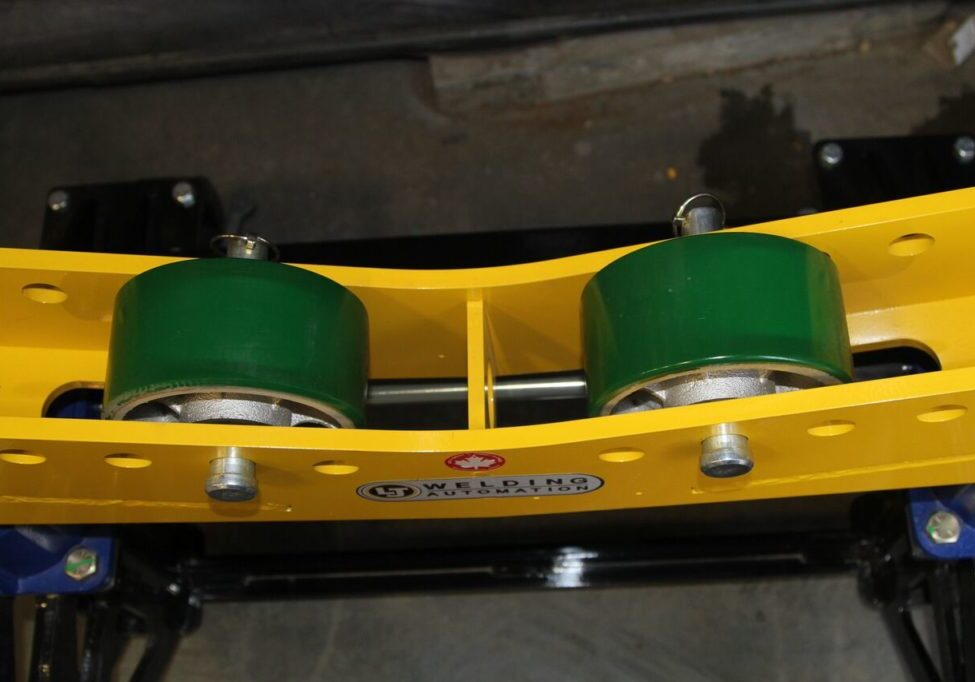

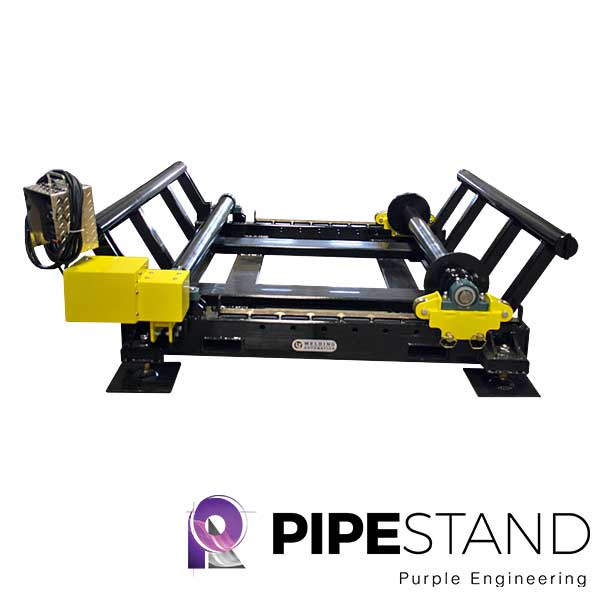
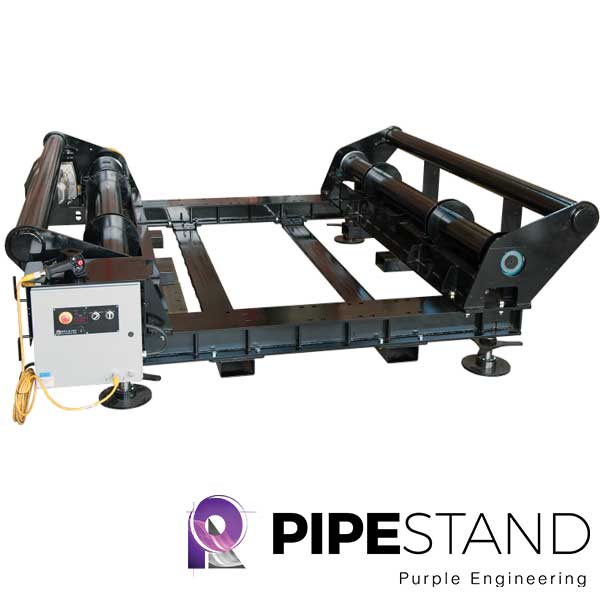
A cable drum roller, also called a cable reel roller, is a low frame with rollers that a cable drum sits on so it can turn freely while cable is paid out or wound back on. Powered cable drum rollers drive the rollers with a variable speed motor, so heavy drums can be started, stopped and reversed under control without spindles, jacks or a crew pulling on the cable.
They are used by electrical contractors, utilities, mine sites and cable distributors to handle large power, control and fibre cable drums safely.
| Key facts | Typical range |
|---|---|
| Drum weight | Up to 10, 15 or 40 US tons (about 9,072 kg to 36,287 kg) |
| Drum diameter | About 610 mm to 4,877 mm (2 ft to 16 ft) |
| Drum width | Up to about 3,048 mm (10 ft) |
| Drive | Variable speed, forward and reverse, foot switch or hand pendant |
| Protection | Adjustable slip clutch against over-torque, safety catch |
| Handling | Low profile, fork pockets for moving with a forklift |
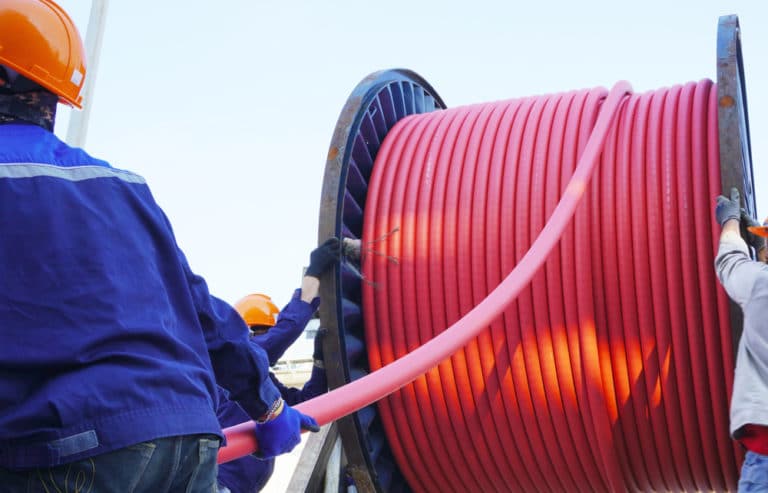
How does a cable drum roller work?
The drum is lowered onto two sets of rollers so its flanges sit in the rollers. On a powered unit, one side is driven by a geared motor. The operator uses a foot switch or hand pendant to turn the drum forward to pay cable out, or in reverse to take it up, at a speed that matches the cable pulling winch or the crew. A slip clutch in the drive limits the torque, so if the cable snags the drum does not keep forcing it.
Because the drum sits on the rollers rather than on a spindle, there is no shaft to thread through the drum and no need to lift it level on two jacks. The drum is simply placed on the frame and is ready to go.
Cable drum roller sizes
These are the cable reel rollers we supply. Capacities are in US tons (1 ton = 2,000 lb, about 907 kg).
| 10 Ton Cable Drum Roller (CRR55-100) | 15 Ton Cable Drum Roller (CRR68-100) | 40 Ton Cable Drum Roller (CRR810-100) | |
|---|---|---|---|
| Drum load | 10 ton (9,072 kg) | 15 ton (13,608 kg) | 40 ton (36,287 kg) |
| Drum diameter | 610 mm to 2,438 mm (2 to 8 ft) | 610 mm to 3,658 mm (2 to 12 ft) | 1,524 mm to 4,877 mm (5 to 16 ft) |
| Max drum width | 1,600 mm (5 ft 3 in) | 2,438 mm (8 ft) | 3,048 mm (10 ft) |
| Output torque or tractive effort | 243 Nm (2,150 in-lb) output torque | 565 Nm (5,000 in-lb) output torque | 8,500 lb tractive effort |
| Rotation speed | 0.76 to 19.8 m/min | 1.2 to 12.2 m/min | 1.2 to 12.2 m/min |
| Slip clutch | 237 to 542 Nm (2,100 to 4,800 in-lb) | 237 to 542 Nm (2,100 to 4,800 in-lb) | Adjustable, ask us |
| Equipment mass | About 997 kg | About 1,368 kg | About 3,039 kg |
| Controls | Variable speed, forward and reverse, foot switch, optional hand pendant, safety catch | Same | Same |
Input power can be specified to suit the site. Hourglass rollers to guide and protect the cable are available as an accessory.
How do you choose a cable drum roller?
- Find the full drum weight. Use the gross weight on the drum label or the cable supplier’s data (cable plus drum), not just the cable mass per metre.
- Check the drum diameter and width. The flange diameter must sit inside the roller’s diameter range and the drum must fit between the frame sides.
- Match the speed to the pull. If a cable winch sets the pace, the roller needs to pay out at the same rate so the cable is not dragged off the drum.
- Plan the power and the space. Check the input power available on site and allow room to place the drum with a forklift or crane.
Cable drum rollers vs drum jacks and spindles
| Cable drum roller | Drum jacks and spindle | |
|---|---|---|
| Set-up | Place the drum on the frame and start | Thread a spindle, lift both sides level on two jacks |
| Risk of set-up error | Low, one fixed piece of equipment | Higher, jacks must be level, parallel and stable |
| Control of payout | Powered drive, speed control, slip clutch, reverse | Usually free-wheeling, braked by hand |
| Take-up and rewinding | Yes, in reverse | Needs a separate drive |
| Moving around site | One unit, fork pockets | Several pieces to move and re-level |
| Up-front cost | Higher | Lower |
| Best for | Heavy drums, frequent pulls, long runs, controlled payout | Occasional light drums, cut-to-length in a warehouse |
Many contractors and cable distributors use both: jack stands for lighter drums and cut-to-length work, and powered drum rollers for heavy drums and long pulls where controlled payout matters.
Safe use of cable drum rollers
- Place the roller on firm, level ground and check the drum is seated centrally in the rollers.
- Use the safety catch and keep hands clear of the nip between drum flange and rollers.
- Start slowly and match payout speed to the pull, so the cable does not overrun and spill off the drum.
- Set the slip clutch to suit the cable and stop the drum if anything snags.
- Never exceed the rated drum weight.
Frequently asked questions
Nothing, they are two names for the same equipment. Drum is the more common word in Australia and the UK, and reel is more common in North America.
No. A cable drum roller turns the drum the cable comes off. Cable pulling rollers (trench rollers and corner rollers) sit along the route to guide the cable into a trench, tray or conduit. A big cable pull usually uses both.
Yes. Powered drum rollers run in forward and reverse, so they can rewind cable onto the drum as well as pay it out.
Choose by the gross drum weight first, then check the drum diameter and width fit the roller. As a guide, our 10 ton roller suits drums up to 2.4 m diameter, the 15 ton up to 3.7 m and the 40 ton up to 4.9 m.
Yes. Any cable on a drum that fits the roller’s size range can be handled, and the speed control and slip clutch help protect lighter cables during payout.
Related
Planning a cable pull? Send us the drum weight, diameter and width and the length of the pull, and we will confirm which drum roller suits. Call 1300 62 4020 or request a quote. We deliver Australia-wide.
Find a Product Product Search
Pipe Stands Our Products
-
Cobot Systems
1 Product -
Horizontal Pipe Rollers
5 Products -
Tripod Pipe Stands
5 Products -
Pipe Stands
28 Products -
Pipeline Rollers
13 Products -
Cable Reel Rollers
3 Products -
Pipe Lifting Jacks
4 Products -
Turning Rolls
24 Products -
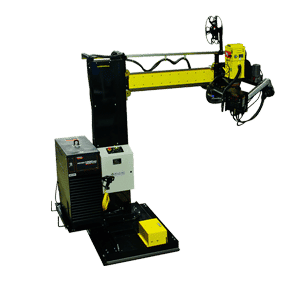
Welding Manipulators
9 Products -
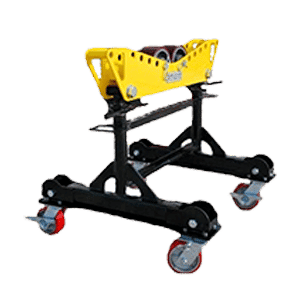
Welding Pipe Stands
12 Products -
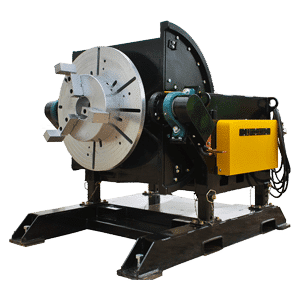
Welding Positioners
10 Products -
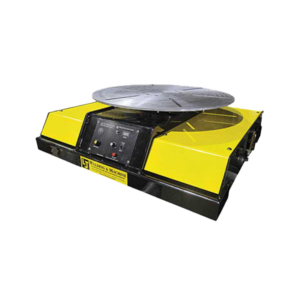
Welding Turntables
9 Products
Keep reading Related articles
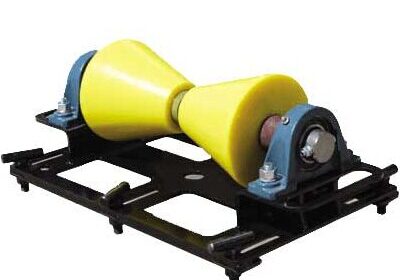
Horizontal Pipe Rollers (Beam Clamp Rigging Rollers): Types, Sizes and Uses
What Is a Welding Turntable? How It Works, Sizes and Applications
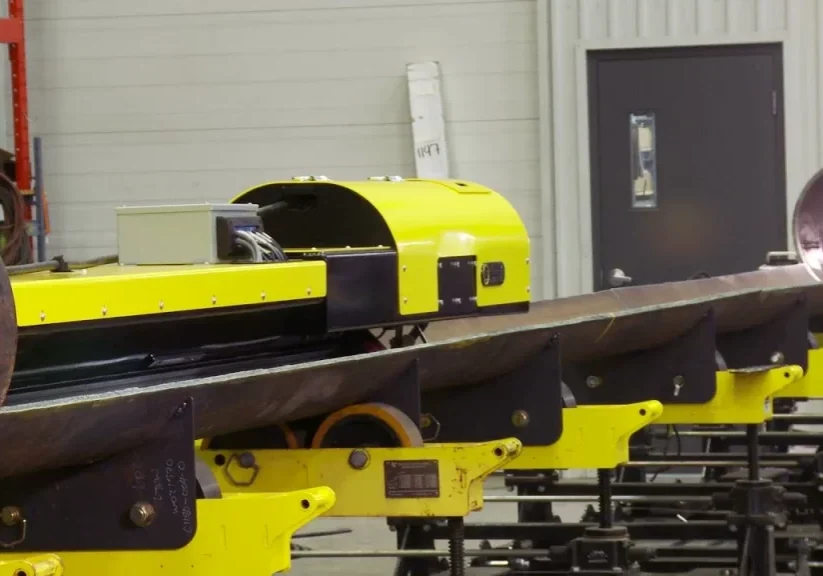
What Is a Pipe Stand? Types, Load Ratings and How to Choose One
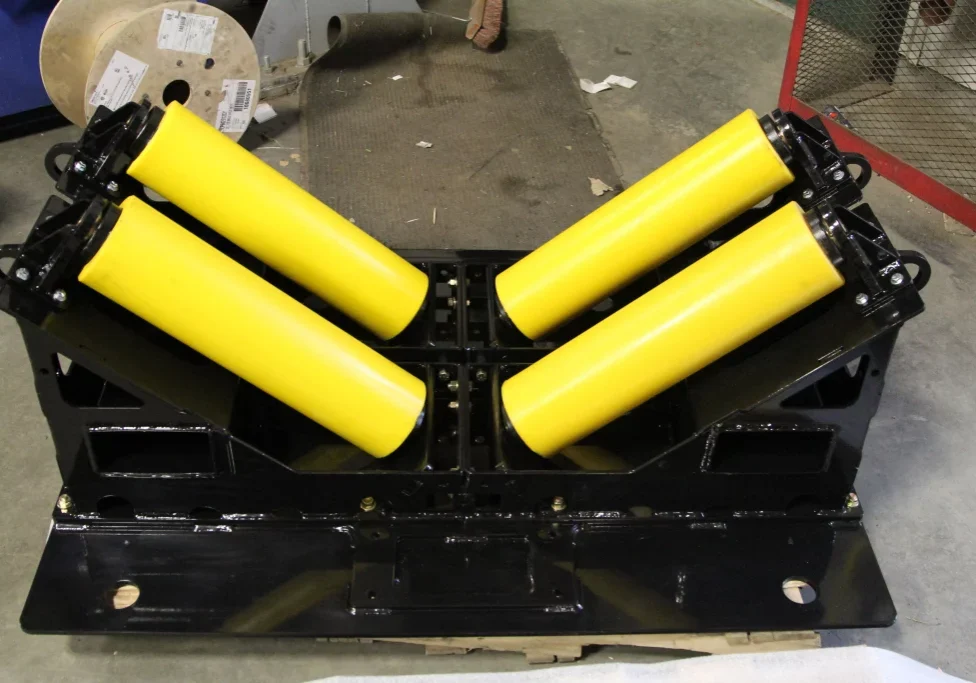
Pipe Rollers: What They Are, the Main Types and How to Choose Them
Welding Manipulator Seam Tracking: Tactile vs Through-Arc vs Laser Vision
Pipe Lifting Jacks: Pipe Jacks, Pipe Rack Jacks and How to Choose One
What Is a Welding Positioner? Types, How It Works and How to Choose One